Thirlestane Barrows
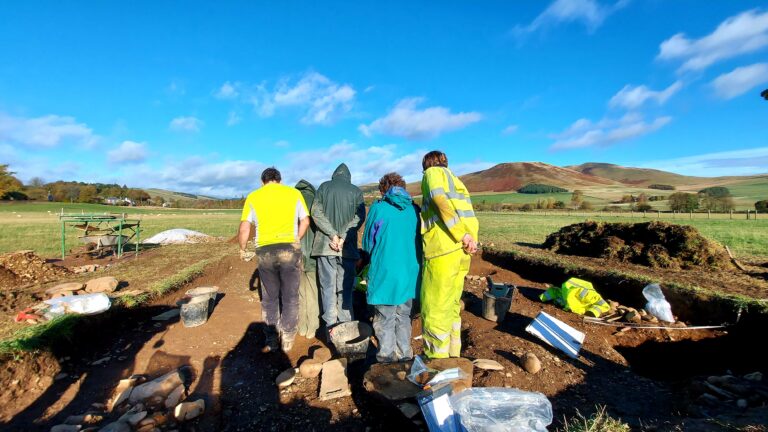
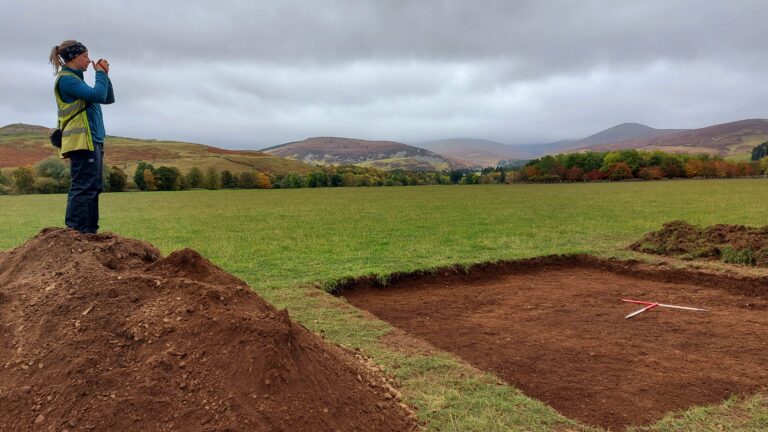
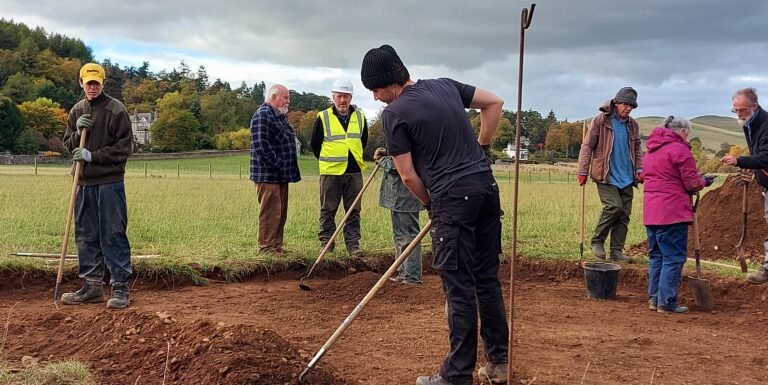
Excavation of Thirlestane Barrows. 17th to 28th October 2022.
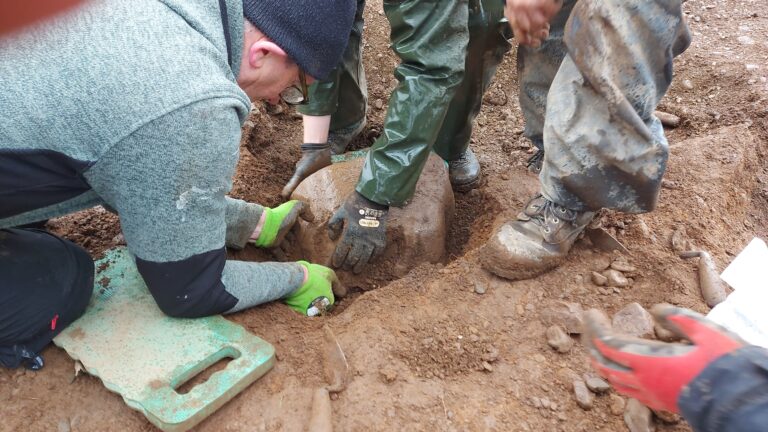
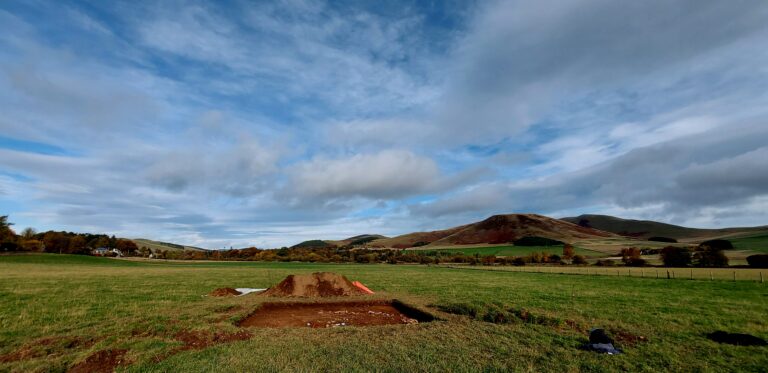
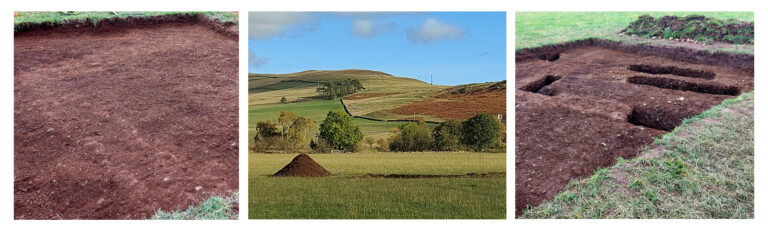
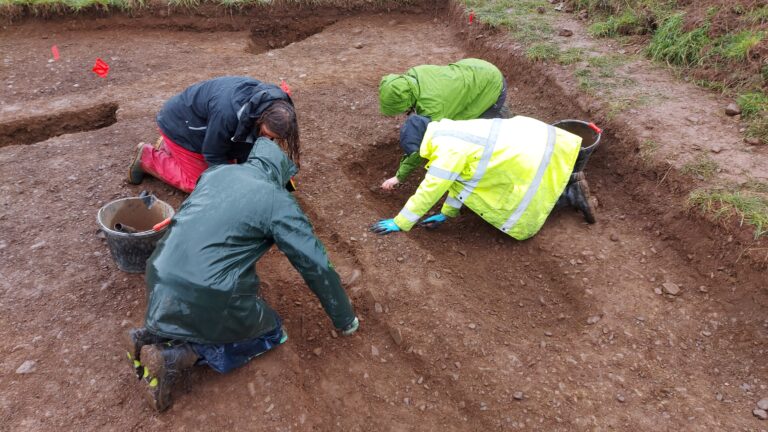
A geophysics survey of the Thirlestane Barrows, East & West Field and excavation of two trenches.
-
Background
-
Background
The project will examine a sample of early medieval high-status burials representative of not only other sites in the Scottish Borders but relevant and applicable to sites in other regions of Scotland.
This site was discovered in two fields south of Broughton, when during the dry ground conditions of summer 2018, cropmarks were spotted from a nearby hillside by a local resident. An aerial photographic survey in July 2018 further revealed that these cropmarks included at least four potential barrow graves.
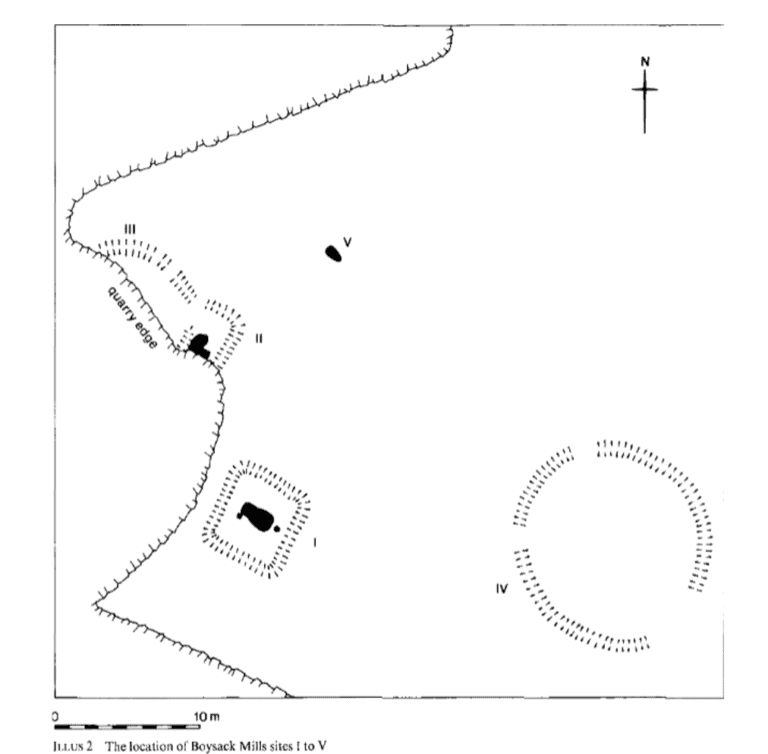
Three of these barrow cropmarks comprise circular ditches enclosing a small area with a central feature.
The fourth barrow cropmark comprises a square shaped ditch enclosing a small area containing a central feature. Where sites such as this have been excavated, the central feature is a grave, which was originally buried beneath a small mound of earth cast from the enclosing ditch. However, ploughing over the subsequent centuries has usually removed the mound, leaving only the buried archaeological remains, which are often only visible from the air.
Such barrow graves can be Iron Age or early medieval in date. It is likely that these barrow graves represent the graves of some of the inhabitants of the numerous hillforts that are distributed around this location. In particular, do these burials relate to the occupation of Tinnis Castle Hillfort, which lies approximately 1 mile to the east.
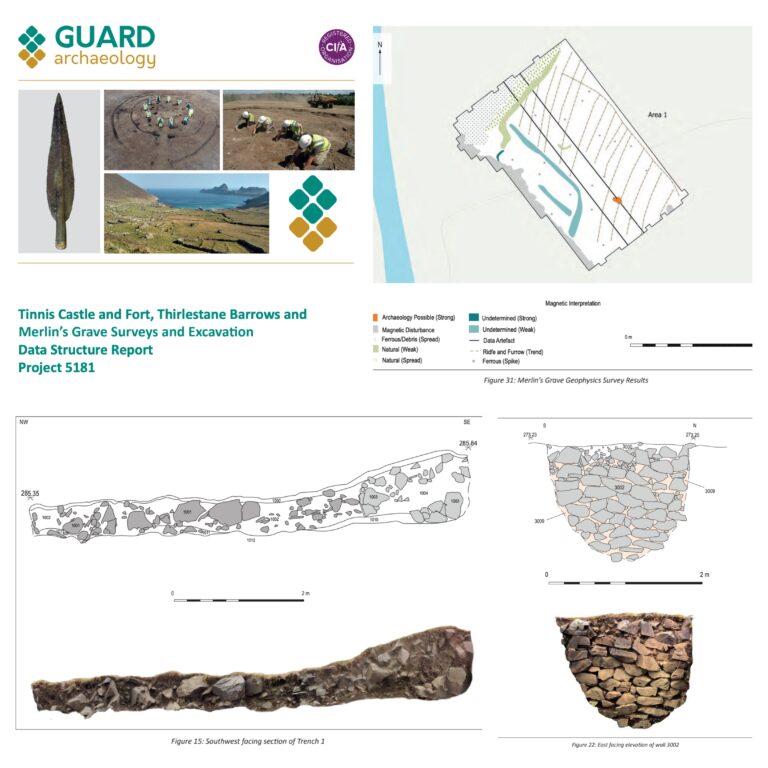
The project will undertake geophysics surveys of these two fields and two small excavation trenches to confirm that these are indeed barrow graves and what archaeological evidence they contain.
Geophysics is a non-intrusive survey technique that can identify potential archaeological features buried beneath the surface. It often reveals many more archaeological features than aerial photography. The excavation of small trenches across the square barrow and one of the round barrows will verify what these archaeological remains are.
-
Survey area
-
Background
The project will examine a sample of early medieval high-status burials representative of not only other sites in the Scottish Borders but relevant and applicable to sites in other regions of Scotland.
This site was discovered in two fields south of Broughton, when during the dry ground conditions of summer 2018, cropmarks were spotted from a nearby hillside by a local resident. An aerial photographic survey in July 2018 further revealed that these cropmarks included at least four potential barrow graves.
Three of these barrow cropmarks comprise circular ditches enclosing a small area with a central feature.
The fourth barrow cropmark comprises a square shaped ditch enclosing a small area containing a central feature. Where sites such as this have been excavated, the central feature is a grave, which was originally buried beneath a small mound of earth cast from the enclosing ditch. However, ploughing over the subsequent centuries has usually removed the mound, leaving only the buried archaeological remains, which are often only visible from the air.
Such barrow graves can be Iron Age or early medieval in date. It is likely that these barrow graves represent the graves of some of the inhabitants of the numerous hillforts that are distributed around this location. In particular, do these burials relate to the occupation of Tinnis Castle Hillfort, which lies approximately 1 mile to the east.
The project will undertake geophysics surveys of these two fields and two small excavation trenches to confirm that these are indeed barrow graves and what archaeological evidence they contain.
Geophysics is a non-intrusive survey technique that can identify potential archaeological features buried beneath the surface. It often reveals many more archaeological features than aerial photography. The excavation of small trenches across the square barrow and one of the round barrows will verify what these archaeological remains are.
Reports & Analyses
Thirlestane Barrows Blog
Discussion Group
Join the Dark Age Digs Facebook Group to share your experiences on the digs:
Background Photo: Witch Hazel (Hamamelis)