Discovering Drumelzier's Hidden Heritage
-
Introduction
-
Discovering Drumelzier’s Hidden Heritage
The project is a collaboration between the Arthur Trail Association, local heritage groups and GUARD Archaeology Ltd.
The project aims to promote Scotland’s Dark Age heritage through encouraging public participation. Everyone will benefit from an increase in the cultural significance of this important part of our Scottish heritage. There will be great value in discovering new archaeological evidence of this forgotten aspect of Scotland’s historical culture.
We will investigate the archaeological roots of the Merlin legend, which is set within an early medieval era. This will build on the Arthur Trail Association’s Merlin Trail. The dig will examine the Scottish Borders claim to this iconic legend, in particular its association with Drumelzier. Access to all the major sites of this period across southern Scotland will be encouraged to enhance public knowledge. Learning, knowledge and discoveries will be disseminated far and wide.
The surveys and excavations will form part of a collaborative community archaeology research project enabling the participation of up to 12 volunteers per day.
Volunteers will be offered training in all aspects of archaeological work from the hands-on physical aspects to recording, documenting and archiving aspects. This encourages interest and enables stewardship of the important archaeological resources of Peeblesshire for generations to come.
The project will use GUARD’s extensive knowledge and experience of supervising community excavations. The project will provide an excellent opportunity for volunteers from all walks of life and all ages to get involved in hands-on-heritage, enabling them to discover archaeology that has been lost for centuries.
-
Questions
-
Questions
We will investigate the archaeological context of the significance of the Merlin legend, set within an early medieval era.
- What was the date of the construction of Tinnis Castle hillfort?
- What was the duration of occupation of the hillfort?
- What does the material culture and environmental remains of the hillfort reveal about the nature of occupation of Tinnis (e.g. in terms of activities, economy, diet, status, access to imports)?
- Is there any specific evidence for activity by the occupants of Tinnis that can be classed as specialised in some way (e.g. metalworking, leather working, cloth making); and what is the form and nature of that evidence?
- Were different parts of Tinnis Castle Hillfort (e.g. summit area, lower-lying enclosure) occupied differentially in terms of function (e.g. human occupation/activities, stock rearing/processing)?
- Were different parts of Tinnis Castle Hillfort occupied differentially in terms of chronology (e.g. site contraction/expansion)?
- What shared and contrasting attributes does comparative analyses of excavated features and finds from Tinnis Castle Hillfort and other nucleated forts reveal?
- Is there any specific evidence of the relationship of Tinnis Castle Hillfort’s occupants to other contemporary sites in Peeblesshire and the Scottish Borders?
- How does the evidence for form, date, nature and material culture of occupation from Tinnis Castle Hillfort compare and contrast to that encountered in other contemporary sites in the wider context (e.g. Scotland, England, Wales, Ireland)?
- What is the precise location of the archaeological features at Thirlestane?
- Are any of the archaeological features at Thirlestane graves?
- What are the dates of the archaeological features at Thirlestane?
- Are these dates from the Thirlestane Barrows contemporary with the occupation of Tinnis Castle Hillfort?
- What does analysis reveal about the pathology, origins and diet of individuals buried at Thirlestane?
- Are there any archaeological features at or close to the site of Merlin’s grave?
- Do any of these features potentially represent the origin of the tradition of Merlin’s Grave?
- Are any archaeological features at or close to the site of Merlin’s grave a potential grave?
- Does this evidence provide an archaeological context to the roots of the traditional association of Drumelzier with Merlin’s grave?
By addressing these questions, the excavations and surveys have the potential to rewrite our understanding of the early medieval period within the Scottish Borders.
The results of this work will establish the basis of an early medieval monumental landscape in Tweeddale, an area of Scotland where little archaeology from this period has been previously examined. This has the potential to transform public perceptions of this part of the Scottish Borders and the hidden history buried beneath our feet.
-
Useful Reading
-
Useful Reading
Clarkson, T 2016 Scotland’s Merlin. A Medieval Legend and its Dark Age Origins.
Edinburgh: John Donald.Crichton, R 2017 On the Trail of Merlin in a Dark Age. [Purchase Book]
Innerleithen: Edinburgh Film Productions.Laing, L and Longley, D 2006 The Mote of Mark: A Dark Age Hillfort in South-West Scotland.
Oxford: Oxbow Books.Lane, A and Campbell, E 2000 Dunadd: An Early Dalriadic Capital.
Oxford: Oxbow Books.Lock, G and Ralston I 2017 Atlas of Hillforts of Britain and Ireland. [online] Available at https://hillforts.arch.ox.ac.uk
MacQueen, J and MacQueen W (eds) 1989 Scotichronicon by Walter Bower.
Aberdeen: Aberdeen University Press.Maxwell-Irving, AMT 2014 The Border Towers of Scotland. Volume II.
Blairlogie: Alistair M.T. Maxwell-Irving.Mercer, R 2018 Native and Roman on the Northern Frontier. Excavations and Survey in a Later Prehistoric Landscape in Upper Eskdale, Dumfriesshire. Edinburgh: Society of Antiquaries of Scotland.
Noble, G and Evans, N 2019 The King in the North: The Pictish Realms of Fortriu and Ce.
Edinburgh: Birlinn Ltd.
RCAHMS 1967 Peeblesshire. An Inventory of the Ancient Monuments. Volume I.
Edinburgh: Her Majesty’s Stationary Office.Toolis, R and Bowles, C 2017 The Lost Dark Age Kingdom of Rheged: The Discovery of a Royal Stronghold at Trusty’s Hill, Galloway.
Oxford: Oxbow Books.
Discovering Drumelzier’s Hidden Heritage
The project is a collaboration between the Arthur Trail Association, local heritage groups and GUARD Archaeology Ltd.
The project aims to promote Scotland’s Dark Age heritage through encouraging public participation. Everyone will benefit from an increase in the cultural significance of this important part of our Scottish heritage. There will be great value in discovering new archaeological evidence of this forgotten aspect of Scotland’s historical culture.
We will investigate the archaeological roots of the Merlin legend, which is set within an early medieval era. This will build on the Arthur Trail Association’s Merlin Trail. The dig will examine the Scottish Borders claim to this iconic legend, in particular its association with Drumelzier. Access to all the major sites of this period across southern Scotland will be encouraged to enhance public knowledge. Learning, knowledge and discoveries will be disseminated far and wide.
The surveys and excavations will form part of a collaborative community archaeology research project enabling the participation of up to 12 volunteers per day.
Volunteers will be offered training in all aspects of archaeological work from the hands-on physical aspects to recording, documenting and archiving aspects. This encourages interest and enables stewardship of the important archaeological resources of Peeblesshire for generations to come.
The project will use GUARD’s extensive knowledge and experience of supervising community excavations. The project will provide an excellent opportunity for volunteers from all walks of life and all ages to get involved in hands-on-heritage, enabling them to discover archaeology that has been lost for centuries.
Questions
We will investigate the archaeological context of the significance of the Merlin legend, set within an early medieval era.
- What was the date of the construction of Tinnis Castle hillfort?
- What was the duration of occupation of the hillfort?
- What does the material culture and environmental remains of the hillfort reveal about the nature of occupation of Tinnis (e.g. in terms of activities, economy, diet, status, access to imports)?
- Is there any specific evidence for activity by the occupants of Tinnis that can be classed as specialised in some way (e.g. metalworking, leather working, cloth making); and what is the form and nature of that evidence?
- Were different parts of Tinnis Castle Hillfort (e.g. summit area, lower-lying enclosure) occupied differentially in terms of function (e.g. human occupation/activities, stock rearing/processing)?
- Were different parts of Tinnis Castle Hillfort occupied differentially in terms of chronology (e.g. site contraction/expansion)?
- What shared and contrasting attributes does comparative analyses of excavated features and finds from Tinnis Castle Hillfort and other nucleated forts reveal?
- Is there any specific evidence of the relationship of Tinnis Castle Hillfort’s occupants to other contemporary sites in Peeblesshire and the Scottish Borders?
- How does the evidence for form, date, nature and material culture of occupation from Tinnis Castle Hillfort compare and contrast to that encountered in other contemporary sites in the wider context (e.g. Scotland, England, Wales, Ireland)?
- What is the precise location of the archaeological features at Thirlestane?
- Are any of the archaeological features at Thirlestane graves?
- What are the dates of the archaeological features at Thirlestane?
- Are these dates from the Thirlestane Barrows contemporary with the occupation of Tinnis Castle Hillfort?
- What does analysis reveal about the pathology, origins and diet of individuals buried at Thirlestane?
- Are there any archaeological features at or close to the site of Merlin’s grave?
- Do any of these features potentially represent the origin of the tradition of Merlin’s Grave?
- Are any archaeological features at or close to the site of Merlin’s grave a potential grave?
- Does this evidence provide an archaeological context to the roots of the traditional association of Drumelzier with Merlin’s grave?
By addressing these questions, the excavations and surveys have the potential to rewrite our understanding of the early medieval period within the Scottish Borders.
The results of this work will establish the basis of an early medieval monumental landscape in Tweeddale, an area of Scotland where little archaeology from this period has been previously examined. This has the potential to transform public perceptions of this part of the Scottish Borders and the hidden history buried beneath our feet.
Useful Reading
Clarkson, T 2016 Scotland’s Merlin. A Medieval Legend and its Dark Age Origins.
Edinburgh: John Donald.
Crichton, R 2017 On the Trail of Merlin in a Dark Age. [Purchase Book]
Innerleithen: Edinburgh Film Productions.
Laing, L and Longley, D 2006 The Mote of Mark: A Dark Age Hillfort in South-West Scotland.
Oxford: Oxbow Books.
Lane, A and Campbell, E 2000 Dunadd: An Early Dalriadic Capital.
Oxford: Oxbow Books.
Lock, G and Ralston I 2017 Atlas of Hillforts of Britain and Ireland. [online] Available at https://hillforts.arch.ox.ac.uk
MacQueen, J and MacQueen W (eds) 1989 Scotichronicon by Walter Bower.
Aberdeen: Aberdeen University Press.
Maxwell-Irving, AMT 2014 The Border Towers of Scotland. Volume II.
Blairlogie: Alistair M.T. Maxwell-Irving.
Mercer, R 2018 Native and Roman on the Northern Frontier. Excavations and Survey in a Later Prehistoric Landscape in Upper Eskdale, Dumfriesshire. Edinburgh: Society of Antiquaries of Scotland.
Noble, G and Evans, N 2019 The King in the North: The Pictish Realms of Fortriu and Ce.
Edinburgh: Birlinn Ltd.
RCAHMS 1967 Peeblesshire. An Inventory of the Ancient Monuments. Volume I.
Edinburgh: Her Majesty’s Stationary Office.
Toolis, R and Bowles, C 2017 The Lost Dark Age Kingdom of Rheged: The Discovery of a Royal Stronghold at Trusty’s Hill, Galloway.
Oxford: Oxbow Books.
The Project
Explore the project’s objectives and aims:
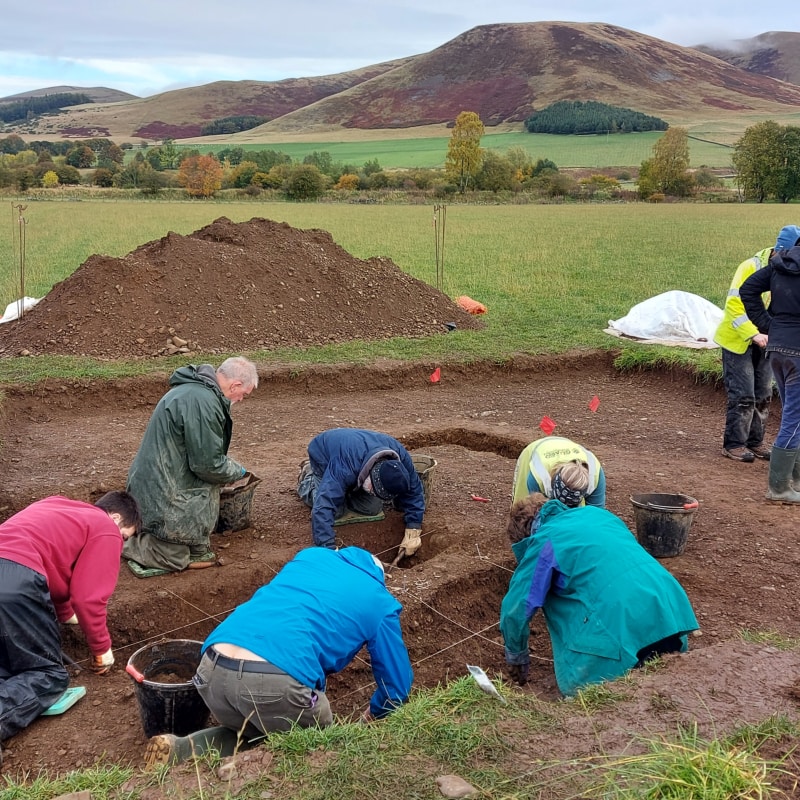
The Team
The fieldwork will be undertaken by a team of volunteers guided by professional archaeologists from GUARD Archaeology Ltd.
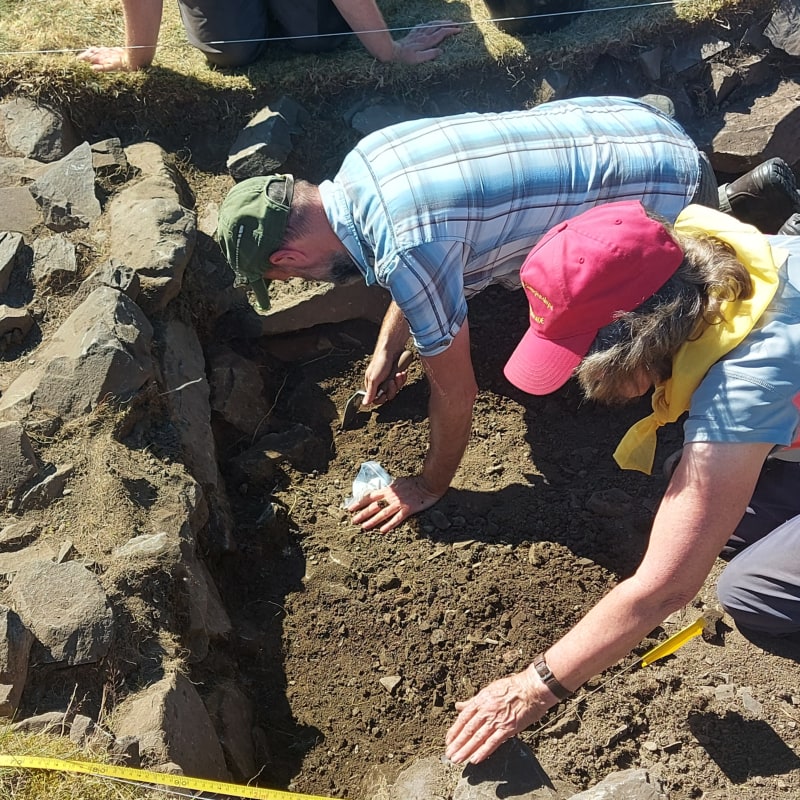
Excavation, Records and Analysis
Topographic surveys and excavations will be followed by a full record of excavated features using a single context planning system.
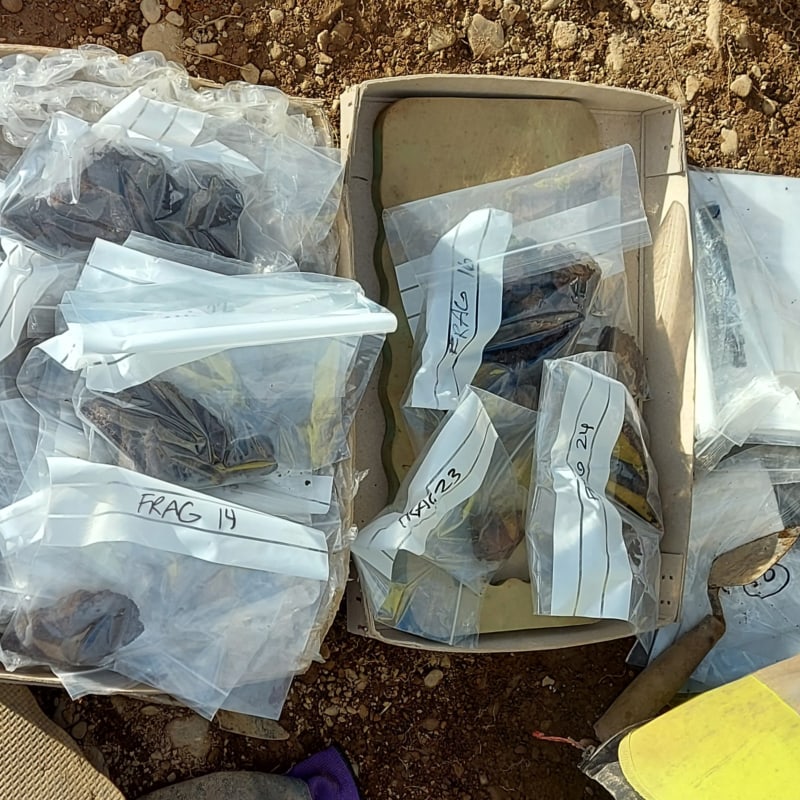
Post-excavation
Following the recovery of archaeological evidences, processing of finds will be undertaken and then specialist analyses will begin.
Locations
Between August and November 2022 further archaeological investigations will examine various burial sites.
Visitors are welcome to visit the dig locations and progress on the discovery of a hidden heritage will be reported with regular updates here on www.dark-age-digs.com.

Tinnis Castle Hillfort
8th to 19th August 2022
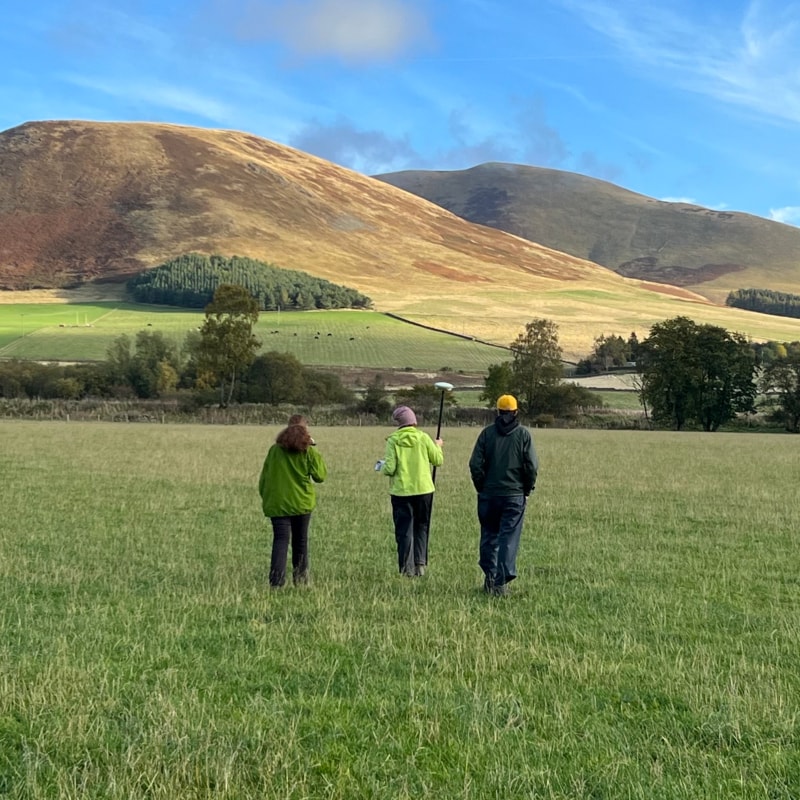
Thirlestane Barrows
17th to 28th October 2022
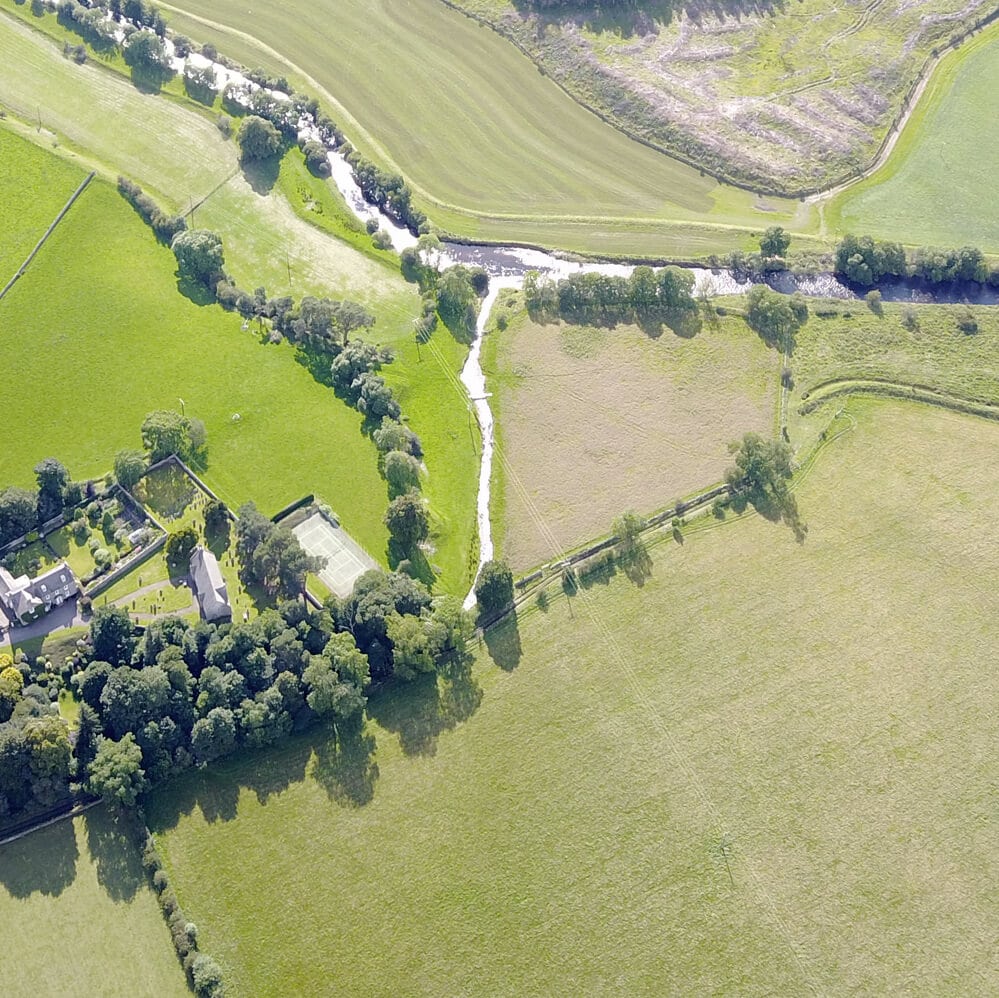
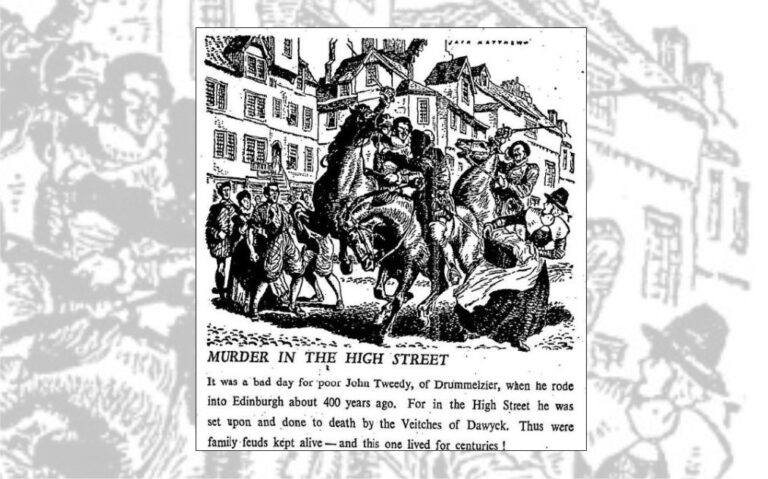
Merlin's Grave
7th November 2022
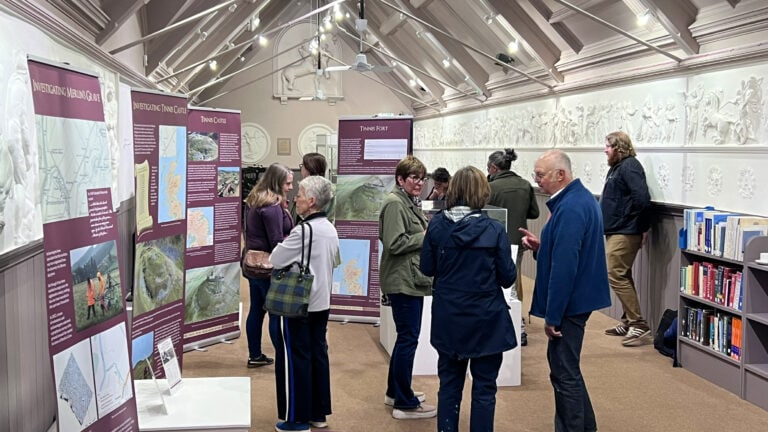

Volunteer Discussion Group
Join the Dark Age Digs Facebook Group to share your experiences on the digs:
Background Photo: Red Squirrel (Sciurus vulgaris)